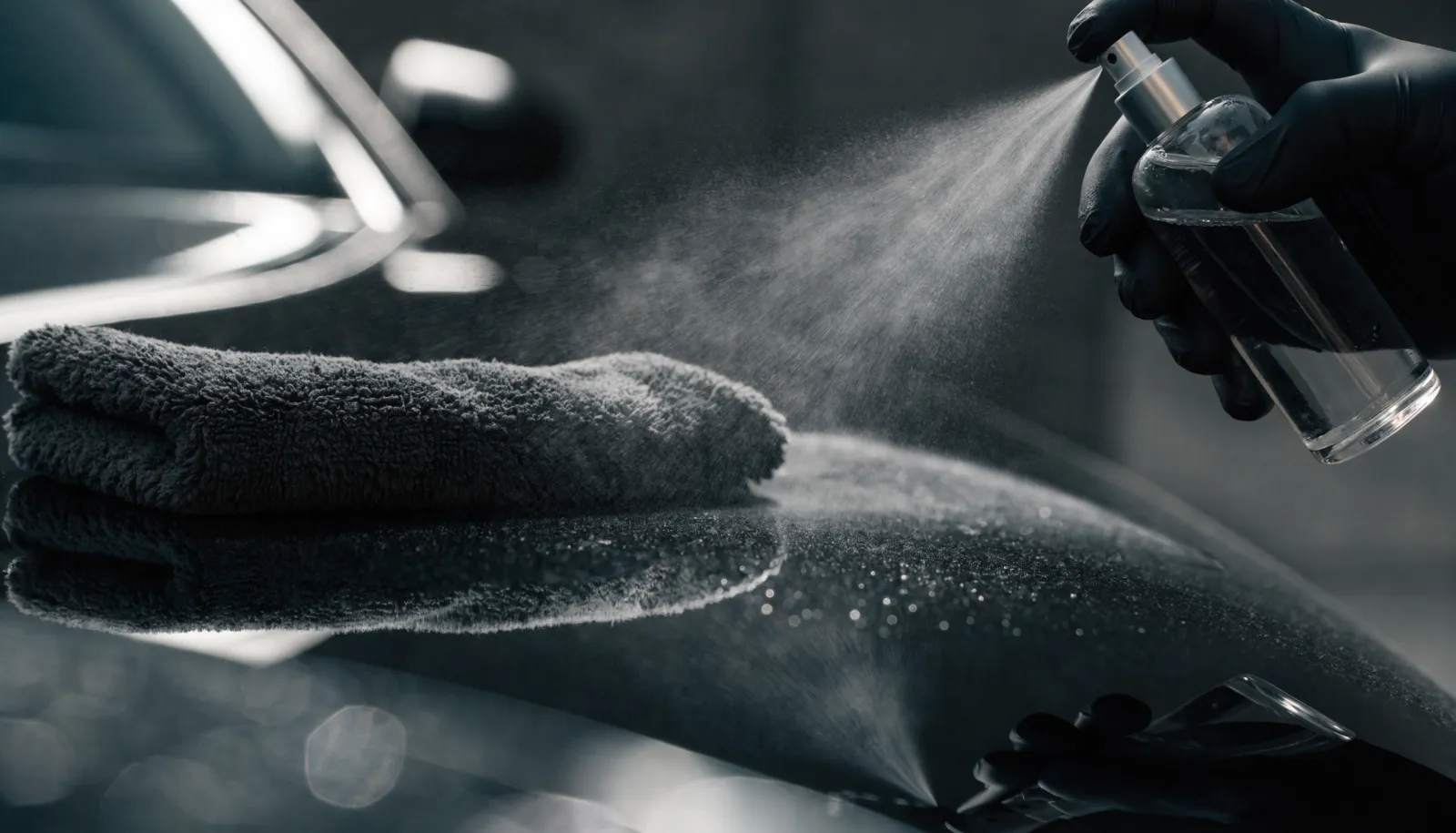

Fall car care in North Houston: protecting your paint as seasons shift
Fall in North Houston is not a dramatic seasonal event. Temperatures drop gradually, humidity shifts, and the oak and sweet gum trees along the roads through Tomball, Magnolia, and The Woodlands start shedding. That combination is more corrosive to paint than most owners realize. The assumption is that fall is a break from summer’s punishment — and in some ways it is — but the specific hazards of September through November deserve the same attention you gave July.
The two most underestimated threats during this period are organic debris and the first wave of morning dew. Leaves, seed pods, and tree sap that land on warm paint during the day do not just sit there. The organic acids they contain begin breaking down clear coat within hours, particularly on paint that has no protective layer. Add overnight moisture and the process accelerates. By the time you spot discoloration, some of the damage is already below the surface.
This post covers the practical steps — washing cadence, decontamination timing, product choices, and when professional services make sense — for the stretch of weather North Houston sees from September through November.
Why fall is the right time to address summer damage
If your vehicle spent the summer unprotected, or if a ceramic coating is more than two years old, fall is the right window to address what accumulated. The logic is straightforward: cooler temperatures and lower ambient UV are ideal conditions for paint correction and coating application. Heat and direct sun are the enemy of both polishing work and proper coating cure. A shop with a climate-controlled bay can work around this, but even then, bringing a vehicle in when ambient conditions are cooperative makes the process cleaner.
Summer in North Houston leaves specific marks. Fine swirl marks from improper washing, water spot etching from hard water and afternoon storms, and isolated oxidation on horizontal panels — hood, roof, trunk — are the most common findings. A paint correction service before the fall ends means those defects are removed before they deepen over winter, and before any protective coating is applied to a compromised surface.
If you are planning to add or renew a ceramic coating, the fall window between September and November is worth prioritizing. The coating needs adequate cure time before the vehicle is exposed to sustained moisture, and fall gives you that buffer before the wetter stretch of the year.
The organic debris problem and how to handle it
Leaves are not inert. The tannins and organic acids they release when wet are documented clear coat aggressors. Pine needles carry their own resin. Seed pods from sweet gum and oak drop across much of the Tomball and Magnolia areas and can leave impressions in soft clear coat if left for extended periods on a warm surface.
The practical response is simple but requires discipline: increase your wash frequency during heavy leaf-fall periods and do not let debris sit overnight if you can avoid it. A thorough rinse-down after the vehicle has cooled removes most loose debris before it has time to bond. Do not try to wipe leaves off dry paint — drag them and you drag the acids across the clear coat.
If tree sap has already landed and partially cured, a dedicated sap remover or isopropyl alcohol at appropriate dilution is the right tool. Rubbing harder with a microfiber towel is not. Sap that has fully hardened may require a clay bar treatment to lift without scratching. What you should not do is leave it through the fall and assume it will wash off.
Washing cadence and technique in cooler weather
Cooler temperatures change how your wash behaves in a few practical ways. Soap suds stay active longer, rinse water does not evaporate as quickly, and you have more working time before a panel starts to dry on you. Those are advantages. The risk is complacency — owners who washed every week in July to fight pollen sometimes back off in fall, and the longer intervals allow debris to do more damage.
A weekly or biweekly two-bucket hand wash remains the correct approach. Use a pH-neutral shampoo regardless of whether the vehicle is coated. Foam cannon pre-wash to float debris before you touch the paint. Work top to bottom, panel by panel. Dry with a quality microfiber waffle weave towel or a blower to eliminate water spots, which are actually more of a concern in fall when mineral-heavy dew is sitting on paint overnight.
For ceramic-coated vehicles, a spray booster or maintenance spray after every few washes helps sustain the hydrophobic layer. These are not coatings themselves — they are maintenance products that keep the contact angle high and repellency consistent through the season. If water is no longer beading and sheeting the way it was six months ago, that is the signal to apply one.
Decontamination: the step most owners skip
By September, most vehicles have accumulated a layer of embedded contamination that a wash cannot remove. Iron fallout from brake dust, road tar, industrial deposits, and bonded organic material sit below the wash threshold and above the paint surface. Running your hand across a freshly washed panel and feeling roughness is the most reliable test for this.
A full decontamination before any new protective service involves a chemical iron remover, a tar solvent for any adhesive deposits, and a clay bar pass across the entire painted surface. This is not a routine wash step — it is a preparation step, and it is required before paint correction or coating application. Coating over contaminated paint seals the problem in rather than protecting against it.
If you are not having a professional service done this fall, at minimum run a chemical iron decontamination product across the vehicle every six months. The iron removers that change color on contact are accurate and easy to interpret — the more they react, the more contamination is present.
When professional service is the right call
Not every fall issue is a DIY problem. If you are seeing paint defects that go beyond surface-level swirls — deeper scratches, etching with visible depth, oxidation that does not respond to a consumer-grade polish — a professional assessment is the starting point. Attempting to correct paint beyond your product and equipment capability removes clear coat without resolving the defect, leaving you with a thinner surface and the same problem.
The other situation where a shop visit makes clear sense is any vehicle transitioning from unprotected to protected status. Adding paint protection film or a ceramic coating without professional surface preparation wastes the investment. The prep work determines how long the protection holds and how clean the finish looks underneath it.
If you are in the Tomball, Magnolia, Conroe, Spring, or Cypress area and want an honest assessment of where your paint stands heading into the cooler months, you can call EuroLuxe at (936) 292-6056 to schedule an evaluation before committing to any service.
A practical fall checklist
Fall paint care does not require a complicated plan. Remove organic debris quickly and do not let it sit on the surface. Maintain a regular two-bucket wash schedule with pH-neutral soap. Run a chemical decontamination if it has been more than six months. Inspect the hydrophobic performance of any existing coating and apply a maintenance product if it has degraded. Evaluate whether summer left defects that warrant correction before temperatures drop further and project timelines get tight.
Vehicles that end fall in good condition enter winter with one less problem to manage. The owners who treat the season as an afterthought typically spend more in spring addressing what accumulated. The habits that protect paint year-round are not complicated — they just require consistency, and fall is one of the more forgiving seasons to build them.