Compound vs. polish in paint correction: which does what
Walk into any detailing forum or supply store and you will find dozens of products with the words compound and polish on the labels, sometimes used interchangeably, often with no explanation of why one matters over the other. That confusion costs vehicle owners money and occasionally costs them paint. When a shop tells you a car needs a one-step correction, or a two-step, or a multi-stage refinement, they are describing a sequence that begins with understanding what these products actually cut and at what depth.
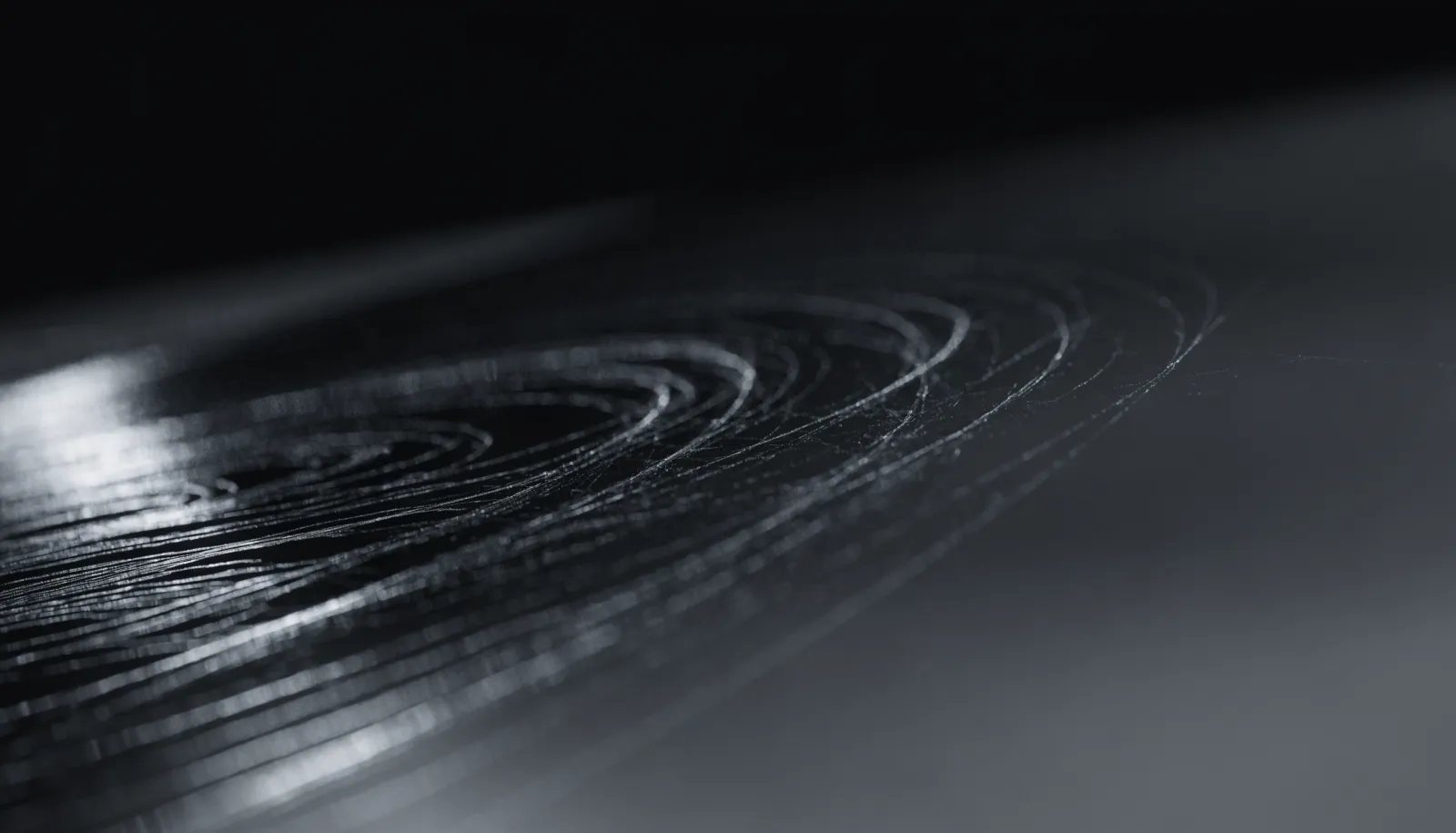
Automotive clear coat is not a single layer of glossy plastic. Under magnification it reads more like a landscape — peaks, valleys, microscopic scratches, and random scratch patterns left by wash media, drying towels, or years of accumulated contact. The goal of paint correction is to level that surface so light reflects uniformly, which is what the eye reads as gloss and depth. Compound and polish are the two primary tools for that work, and they are not interchangeable.
What compound actually does to clear coat
Cutting compound contains abrasive particles, typically aluminum oxide or silicon carbide, sized and shaped to remove a measurable amount of clear coat with each pass. That removal is the point. Deep scratches, heavy swirl patterns, water etching, and oxidation all live at a depth that a gentler product simply cannot reach. Compound is how you get below the defect.
The abrasive particles in a compound diminish as they work — they break down into smaller pieces under heat and friction, which is why a fresh product cuts aggressively at the start of a cycle and finishes with less bite at the end. Experienced installers use this breakdown behavior intentionally, allowing a pass to finish cleaner than it started. Even so, compound always leaves its own marring, a finer scratch pattern than the original defect but a pattern nonetheless. That marring is what the next step addresses.
Not every vehicle can tolerate aggressive compounding. Factory clear coats vary considerably in thickness and hardness. European soft-coat systems sand and blend very differently from the harder clear coats on many Japanese and Korean vehicles. Before any correction work begins at EuroLuxe, a paint thickness gauge reads every panel. Those measurements define the correction ceiling — how much material is actually available to work with before you start compromising the protective layer.
What polish does and why it is not optional
Finishing polish uses much finer abrasives, or in some cases abrasive-free chemistry, to remove the micro-marring left by compound. Polish refines the surface to a point where random scatter in reflected light is eliminated. That is the difference between a paint job that looks shiny and one that looks deep.
Polish also plays a role when defects are not severe enough to require compound. Light swirl marks from automated car washes, fine scratches from contact with soft materials, and surface hazing from sun exposure often sit shallow enough that compound would be overkill. A polish-only correction removes the defect without unnecessary clear coat sacrifice. Preserving that clear coat matters because it cannot be replaced short of a repaint. Every correction cycle draws down the account.
The machine doing the work matters as much as the product. A dual-action polisher relies on orbital movement to prevent heat buildup and is forgiving enough for less experienced hands. A rotary polisher cuts faster and generates more heat, which can accelerate abrasive breakdown and produce results a dual-action cannot match on heavily defective paint, but it also generates buffer trails if handled carelessly. Multi-stage correction at a professional level typically involves both, with the rotary doing heavy compounding and the dual-action refining.
When your car needs one step versus two
A single-stage correction makes sense when paint is in reasonably good condition with light to moderate swirling and no deep isolated scratches. One product, usually a medium-cut polish or a light compound that finishes down cleanly, addresses the defects and refines the surface in a single pass. The result is a significant improvement in gloss and clarity without removing more material than necessary.
Two-stage correction begins with compound to address deeper defects, then follows with a separate polish step to remove compound marring and maximize gloss. This is the appropriate path for paint that has been neglected for years, paint that has visible etching from bird droppings or hard water deposits, or paint that has oxidized beyond what a single product can address. The compound handles the heavy lifting; the polish finishes the surface to show-quality clarity.
Some correction jobs add a third stage — a final finishing polish or glaze — when the standard two steps do not achieve the required level of perfection, typically on dark-colored vehicles where even minor remaining marring reads clearly under direct lighting. Read more about the full process and what each stage is designed to accomplish on the paint correction service page.
How the choice of product affects what comes next
The product sequence in a correction job directly affects the performance and adhesion of anything applied afterward. If compound residue is not fully refined out, the surface micro-texture is too aggressive. A ceramic coating applied over unfinished compound work will seal the defects in place and may not bond with the uniformity a quality coating requires. Polish leaves a finer, more chemically receptive surface that ceramic chemistry can bond to properly.
This is one reason that paint correction and ceramic coating are services that belong together in sequence, not as independent decisions. Skipping the correction step and applying a coating over swirled paint does not hide the swirls — it locks them in, permanently, under a layer that will outlast most other products on the vehicle. The ceramic coating process at EuroLuxe begins with a decontamination and panel inspection, and correction is done before any coating product touches the paint.
It is also worth noting that the quality of pad, product, and machine matters more than any single product brand or label claim. A premium compound run incorrectly or on an inappropriate pad can cause more damage than a modest product handled with discipline. Test spots on inconspicuous panels before committing to a full correction cycle are standard practice, not optional caution.
What vehicle owners should ask before booking correction
The right questions to ask a shop before booking paint correction are concrete ones. Ask whether they measure paint thickness before they start. Ask whether they do a test spot. Ask whether compound and polish are separate steps or whether they use a single product. Ask what machine platform they use and why. A shop that answers those questions specifically and without hesitation has earned the work. A shop that deflects to photos and marketing language has not.
Paint that has been corrected properly reads differently in direct sunlight. The surface is flat in a way that unworked paint is not, and gloss has a depth that no wax or sealant can produce on a defective surface. That difference is the direct result of selecting the right abrasive, running it correctly, and following through the full sequence without skipping steps.
If you want to talk through what your specific vehicle needs before committing to an appointment, call EuroLuxe at (936) 292-6056. Knowing what is actually on the surface before booking a service level is a straightforward conversation that saves time and money for everyone involved.
Compound and polish are not synonyms, and treating them as such is the most common reason correction jobs fall short of their potential. The sequence exists for a reason, and the reason is grounded in the physics of how abrasives work on clear coat. Understanding that distinction is the first step in making an informed decision about your paint.