
Paint correction on metallic paint: what makes it different
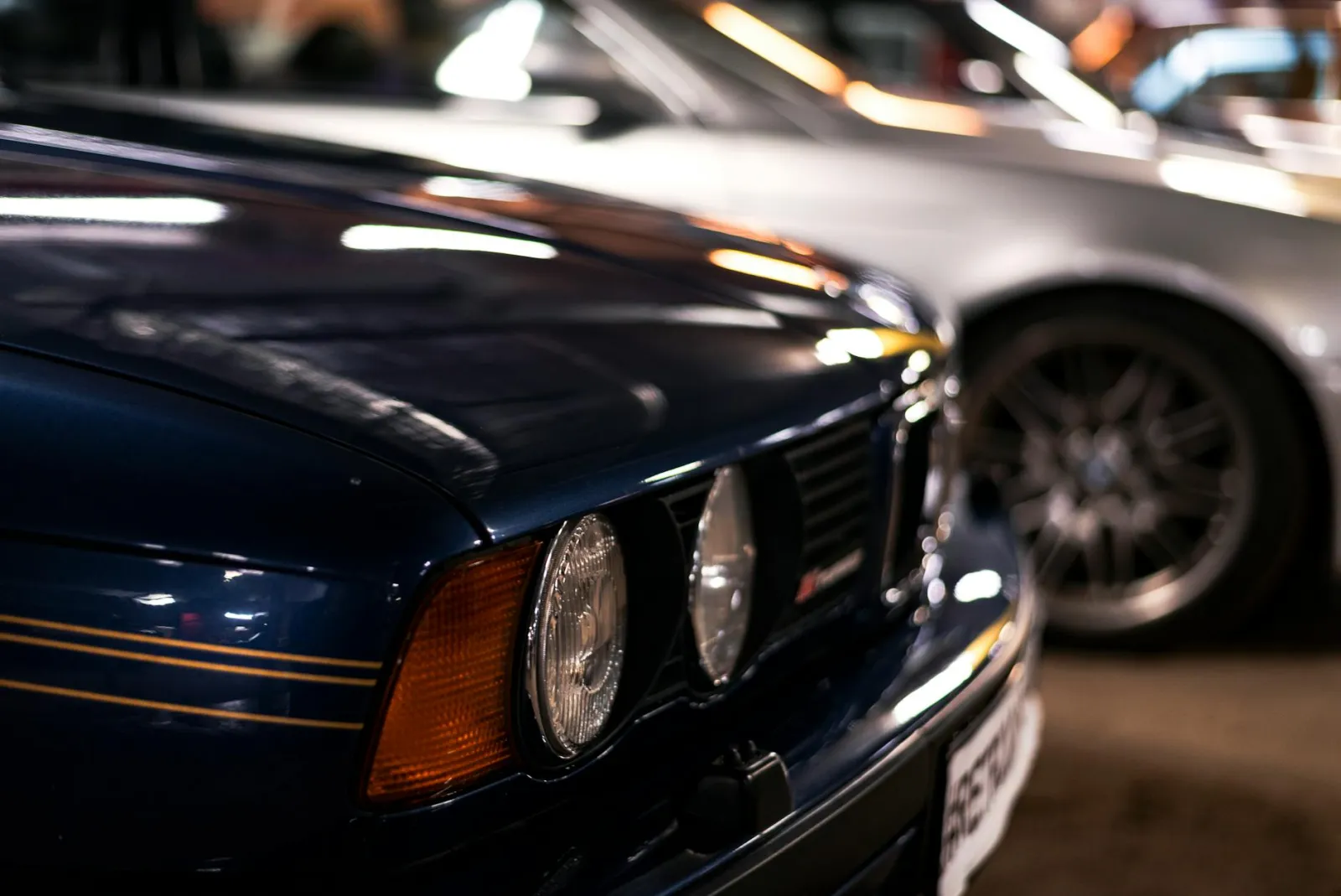
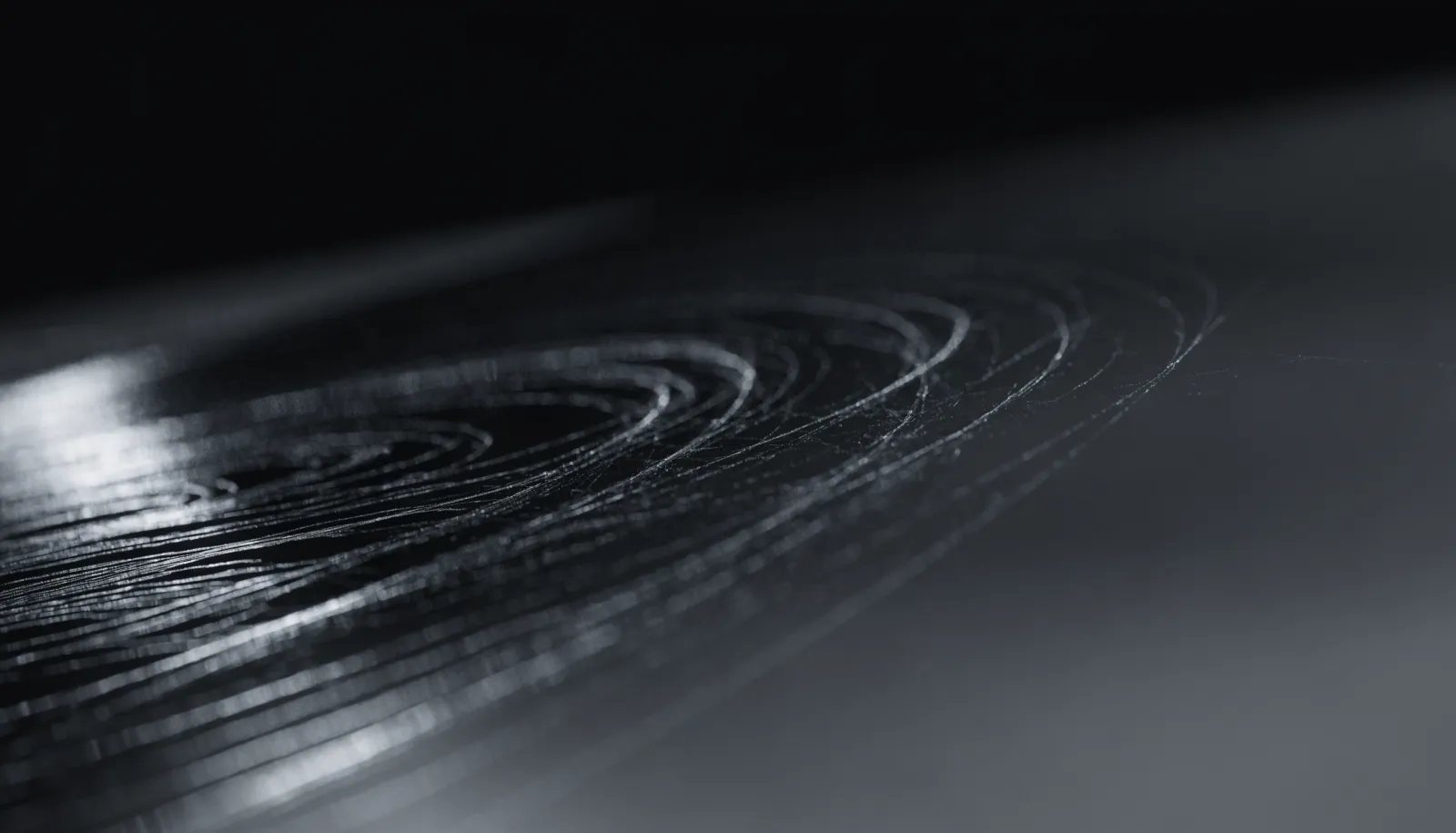
Metallic paint is everywhere in the North Houston market. Silver, blue, gray, bronze, and champagne finishes account for a large share of the vehicles that come through our bay, and they all share one characteristic that makes paint correction both more demanding and more rewarding: the aluminum flake suspended in the basecoat acts like a mirror array. Every orbital scratch, buffer trail, or water-spot etch is reflected dozens of times over. Under direct sunlight or a raking shop light, a metallic panel with moderate swirl damage looks like someone dragged a wire brush across it. The same defect on a solid-color panel would be far less visible.
That amplification cuts both ways. Once a metallic finish is properly corrected and the surface is flat, the flake reflects light uniformly and the depth of color becomes noticeably richer. Owners who have only ever seen their car under indirect artificial lighting are often surprised by what a corrected metallic finish looks like outdoors. Getting there, however, requires a disciplined approach to product selection, machine speed, pad choice, and cut management that differs in meaningful ways from working on solid-color paint.
How metallic paint is actually structured
Standard automotive finishes consist of a primer coat, a basecoat that carries the color and any metallic or pearlescent particles, and a clear coat applied over the top. The clear coat is the layer you are actually polishing when you do paint correction. The metallic flake lives below the clear coat and is not touched by the correction process — but it dominates what the eye sees through that clear layer.
Because the flake is highly reflective, the optical condition of the clear coat directly above it has an outsized effect on appearance. A clear coat that is scratched, haze-laden, or unevenly abraded scatters incoming light before it reaches the flake. The result is a finish that looks dull and chaotic. Once the clear coat is refined to a uniform flatness, light passes through cleanly, strikes the flake at consistent angles, and returns to the eye as a coherent, deep-looking surface. This is why paint correction on metallic finishes produces results that can look nearly transformative compared to the before state.
Why metallic finishes are harder to read
One of the first challenges an installer faces with metallic paint is accurately reading the surface condition under inspection lighting. The flake creates visual noise that can obscure moderate swirling and make it harder to identify the direction and depth of scratches. A solid white or black panel under a focused beam shows every defect with clinical clarity. A silver metallic panel under the same light may hide a cluster of fine scratches behind the sparkle of the flake until you adjust the angle precisely.
This is why proper lighting is not optional — it is the foundation of the entire process. At EuroLuxe we use a combination of overhead LED floods, handheld rotary inspection lights, and direct sunlight simulation to map the surface before a single pad touches the paint. Paint that looks acceptable under one light source often reveals significant marring under another. Getting that reading right determines how aggressive the correction needs to be, which directly affects how much clear coat is consumed in the process.
Pad and compound selection for metallic clear coats
Metallic finishes from different manufacturers vary considerably in clear coat hardness, and that variation changes the approach entirely. Japanese and Korean vehicles, particularly those with silver or gray metallic finishes, often have softer clear coats that cut quickly but also haze and burn easily if you run too much heat into the surface. German and domestic vehicles tend toward harder clear coats that require more aggression to break down defects but are more forgiving of minor technique errors.
For the majority of metallic correction work, a medium-cut compound on a foam cutting pad run on a dual-action polisher is the starting point. The dual-action platform reduces the risk of introducing buffer trails, which are especially damaging on metallic paint because the flake makes those orbital scratches highly visible. If the surface has deeper marring that a dual-action cannot address efficiently, a rotary polisher may be used for specific passes, followed by a thorough refining stage with a finishing compound and soft pad. Skipping the refining stage on metallic paint is a common mistake — any micro-haze left by the cutting stage is immediately apparent through the flake.
Our paint correction work always includes a test spot before committing to a full panel. On metallic finishes, that test spot serves a second function beyond evaluating cut aggression: it confirms that the process is not creating any unwanted texture change or cloudiness in the clear coat that becomes apparent once the paint moves back to ambient temperature.
Managing clear coat depth on metallic finishes
Every paint correction removes a thin layer of clear coat. That is the mechanism by which scratches are eliminated — the surrounding clear coat is leveled down to the bottom of the defect. The clear coat has a finite thickness, typically between 35 and 120 microns depending on the vehicle and how many times it has been corrected previously. A paint thickness gauge reading before any work begins is not a formality; it is the only way to know how much material is available and whether aggressive correction is even safe on a given panel.
On metallic finishes, over-correction carries a risk beyond just thin clear coat. If the clear coat becomes too thin or is burned through in a localized area, the basecoat is exposed. Because the basecoat on metallic paint contains aluminum flake that is not stabilized by a binder designed for direct abrasion, exposed basecoat damage on a metallic finish is both visually obvious and costly to repair properly. The repair path at that point involves spot repainting rather than further polishing.
This is one reason why single-stage and multi-stage correction decisions matter significantly on metallic paint. A single-stage process using a moderate compound and light pad can address moderate swirling and light scratches while preserving most of the clear coat thickness. A multi-stage process that opens with a heavy cut to address deeper defects consumes more material. Neither approach is inherently better — the defect depth and clear coat availability dictate which is appropriate.
After correction: why metallic paint benefits from coating
Corrected metallic paint that is left unprotected will begin accumulating new swirls relatively quickly, especially if the vehicle is washed with anything less than careful hand washing technique. The improvement achieved through correction is real and durable in terms of the paint surface itself, but the clear coat has no memory and no resistance to new scratches beyond what it had before correction.
Applying a ceramic coating over a freshly corrected metallic finish solves two problems at once. It adds a sacrificial layer with measurable hardness above the clear coat, reducing the rate at which new light scratches accumulate. It also amplifies the gloss and clarity of a corrected metallic surface, locking in the flake depth and color saturation that the correction work produced. Gyeon coatings applied to freshly corrected metallic paint consistently produce the most visually striking results we see in this shop, particularly on deep blue, green, and gunmetal gray finishes.
If you are uncertain whether your metallic finish is a good candidate for correction, bring the vehicle in for an inspection. The surface condition needs to be assessed in person under proper lighting before any recommendations can be made. You can reach us at (936) 292-6056 to schedule a time.
Paint correction on metallic paint is more technically involved than on solid colors, but the results justify the additional care. When the clear coat is leveled properly, the refining stages are completed, and the surface is sealed, a metallic finish can look better than it did when the car left the factory.