Paint correction on gray and charcoal cars: what to expect
Gray has become one of the most popular exterior colors sold in North America over the past decade, and the Houston metro is no exception. Drive through The Woodlands, Cypress, or Conroe on any given weekend and you will see charcoal crossovers, slate-gray trucks, and medium-gray sedans in nearly every driveway. Part of the appeal is that gray reads as neutral and modern. The other part is that owners assume it hides imperfections better than black. That second assumption is half right, and the half that is wrong tends to cause problems.
Gray paint does mask surface dirt and water spots more readily than black. But under direct sunlight, under a shop light, or under the LED inspection panels we use at EuroLuxe, gray paint is unforgiving when it comes to swirl marks, light scratches, and buffer trails. The mid-tone nature of the color creates contrast between the defect and the surrounding clear coat in a way that both very dark and very light colors do not. A swirl that nearly disappears on white becomes a dense, web-like pattern on a medium charcoal. That is the reality owners need to understand before deciding whether to pursue paint correction.
This post walks through what causes those defects, how we approach correction on gray and charcoal vehicles specifically, what outcomes are realistic, and why protecting the finish afterward is non-negotiable.
Why gray paint shows swirls so clearly
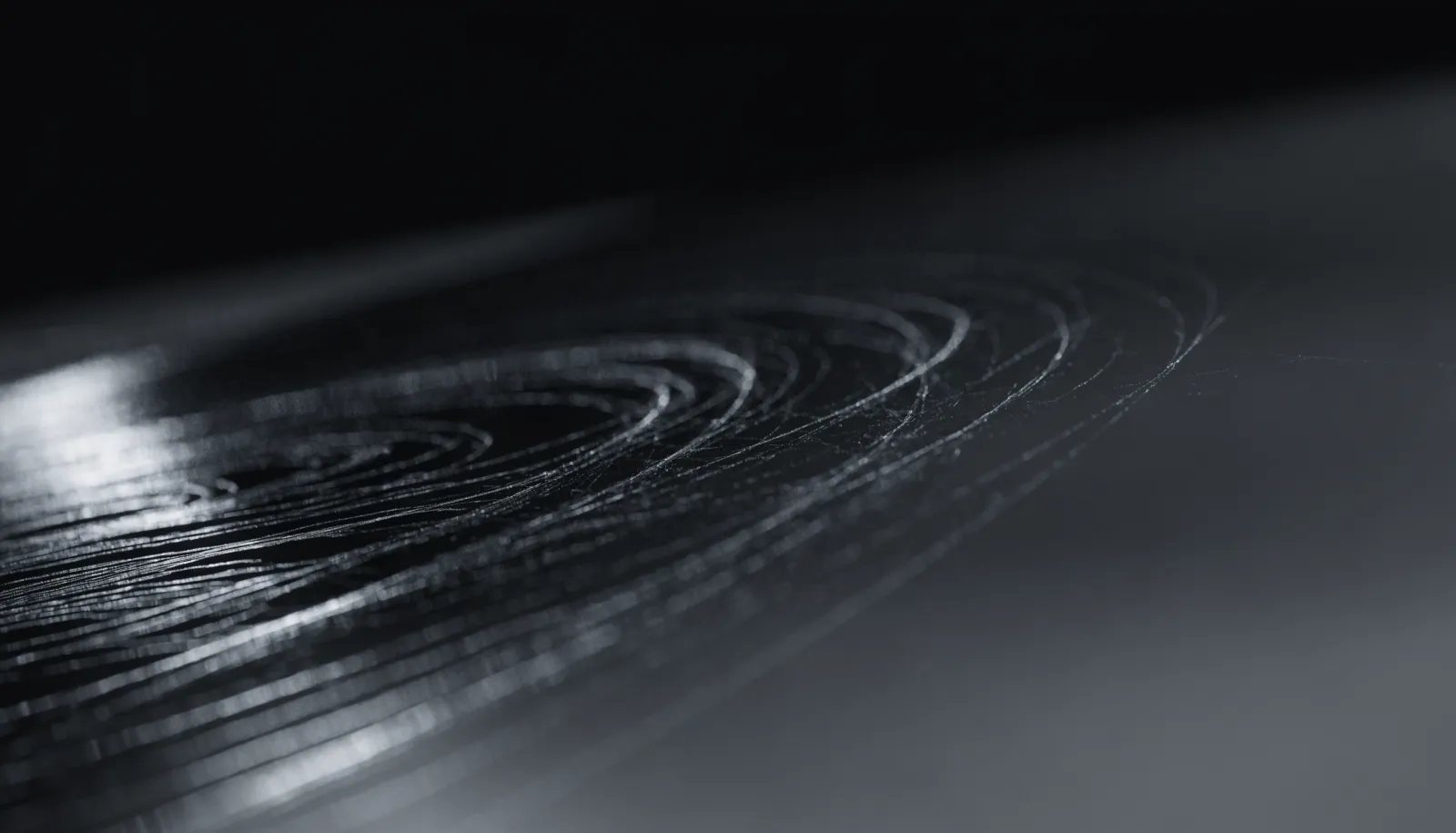
Swirl marks are fine circular scratches in the clear coat layer, usually caused by wash mitt abrasion, automatic car wash brushes, or dry wiping. On a black car, these scratches reflect light at a high contrast against the dark base, which is why black is notorious for showing swirls. On a white or silver car, the base color itself is reflective enough that swirls tend to scatter light in a way that makes them harder to see at most angles.
Gray sits in a middle range where the base is dark enough to create contrast but not so dark that defects blend into the surrounding paint. Mid-tone charcoal, in particular, tends to catch light at a wide range of viewing angles. The result is that swirl marks are visible when you are standing directly in front of the panel, off to the side, and even overhead in bright sun. Owners of these vehicles often notice defects they had previously missed as soon as they drive the car into a garage with overhead fluorescent lighting.
Hard-clearcoat gray paint from German manufacturers like BMW, Mercedes-Benz, and Audi tends to hold correction well and responds predictably to polishing. Softer clear coats, common on certain Japanese and domestic vehicles, require more careful product and pad selection to avoid introducing new marring during the correction process itself.
What a paint correction inspection on a gray vehicle actually covers
Before we run a single polisher across a gray car, we conduct a thorough paint inspection under multiple light sources, including a paint thickness gauge reading across each panel. Paint thickness is critical on any correction job, but especially on a vehicle that may have had prior bodywork or a previous owner who ran aggressive compound too many times. If a panel reads significantly thinner than the factory average, correction depth on that area is limited accordingly.
The inspection also categorizes defect types. Swirl marks, random isolated scratches, buffer trails from a previous bad polish job, oxidation, water etching, and bird dropping etching each require a different approach. Charcoal vehicles often arrive with buffer trails from a well-intentioned but poorly executed dealership or quick-detail-shop polish. Those trails are actually holograms left by a rotary buffer used at the wrong speed or with the wrong pad, and they require a finishing polish step specifically to eliminate them after compound work.
We mark panels with tape notes during inspection so the correction technician knows which zones need compound, which need polish only, and which, if any, need to be left at a conservative pass due to thin clear coat. That documentation shapes the entire correction process and determines the realistic outcome we can promise the owner.
The correction process: compound, polish, and finishing
Paint correction on gray vehicles typically follows a two-step or three-step process depending on defect severity. A two-step correction uses a cut compound paired with an appropriate foam or microfiber pad to remove deeper scratches, followed by a finishing polish to restore clarity and eliminate any marring left by the compound stage. A three-step process adds a dedicated glaze or refining step between compound and final polish.
For most daily-driven gray vehicles with moderate swirl damage from improper washing and occasional automatic car washes, a two-step correction handled with a dual-action polisher is sufficient. We do not default to a rotary machine unless the defects require it, because a dual-action polisher introduces far less heat and friction into the clear coat, which reduces the risk of burning an edge or generating new buffer trails on soft clear coats.
On charcoal metallic finishes, the metallic flake in the paint can create an optical challenge during polishing. If the pad pressure or machine speed is not controlled carefully, the flake can be disturbed or the clear coat can develop micro-marring that shows as a cloudiness distinct from swirl marks. We work in small sections with consistent passes and check under inspection lighting after each panel rather than polishing the entire car before reviewing results.
The final polish step on gray paint is where gloss depth either comes together or falls apart. A properly finished gray or charcoal vehicle should look wet and deep under light, with reflections that appear sharp and undistorted. If reflections look wavy or the finish appears hazy, the surface still has fine marring from the compound stage and needs additional finishing work.
Protecting the corrected surface: why this step is not optional
A paint correction job without a protection layer applied immediately afterward is an incomplete service. Corrected clear coat is clean, open, and highly susceptible to new contamination and scratching. Within a few washes, a corrected but unprotected gray car will begin accumulating new swirl marks, and within a season in the Texas climate it will have water spot etching and oxidation on horizontal surfaces.
The two protection options we pair with paint correction are ceramic coating and paint protection film. For a gray vehicle where the owner wants long-term scratch resistance alongside the gloss that correction produces, a Gyeon ceramic coating applied directly after the correction locks in the results and creates a surface that sheds water, resists contamination, and is significantly more tolerant of wash-induced abrasion than bare clear coat. For owners more focused on physical impact protection against rock chips, a combination of UltraFit paint protection film on high-risk panels followed by ceramic coating over the top delivers the most comprehensive coverage available.
Neither option is a substitute for the other, and neither is relevant unless the correction underneath is done properly. A ceramic coating over a swirled finish amplifies the defects rather than hiding them. A film installed over contaminated paint traps that contamination under the film permanently. Sequence and preparation matter at every step.
Setting realistic expectations before the job begins
Not every defect in a gray car’s paint can be corrected by polishing. Scratches that have penetrated through the clear coat into the base coat or primer layer are beyond the reach of any mechanical polishing process. Deep key scratches, hard impacts from shopping carts that have broken the surface, and chips from road debris all require a different repair approach, ranging from touch-up paint to professional chip repair to panel refinishing. We identify these during inspection and tell the owner what polishing can and cannot address before we start the work.
For defects that are within the clear coat layer, which covers the majority of swirl marks, light scratches, water etching, and oxidation, correction rates on gray vehicles range from 70 to 95 percent improvement depending on defect depth and clear coat condition. We quote a specific range after inspection rather than guaranteeing a number we cannot verify before we see the paint.
If you have a gray or charcoal vehicle in the North Houston area and want to understand what condition the paint is actually in, a pre-correction inspection is the right starting point. You can reach EuroLuxe Detailing at (936) 292-6056 or stop by our shop at 11701 Holderrieth Rd in Tomball to talk through what the car needs.
Gray paint corrects exceptionally well when the process is done in the right sequence with the right tools and products for that specific clear coat. The finish that comes out of a proper two-step correction on a charcoal vehicle is genuinely striking, and protecting it immediately afterward ensures the work lasts rather than reverting within a season of washing.