Paint transfer and scuffs: what correction can fix
A slow-speed contact in a parking lot rarely causes structural damage to a vehicle, but it almost always leaves something behind: a streak of foreign paint, a dull scuff, or both. Most owners assume the worst when they find it. The reality is that a large percentage of these marks are surface-level events confined to the clear coat, and a skilled paint correction process can eliminate or significantly reduce them without touching the color layer underneath.
Understanding what actually happened during the contact is the first step. Paint transfer occurs when a softer material — another car’s bumper, a shopping cart, a door edge — drags its pigment across your clear coat rather than cutting through it. The foreign material leaves a deposit on top of your surface rather than removing your paint. That is a fundamentally different problem from a deep scratch, and it calls for a different approach. Scuffs, which are abrasion marks with no foreign material, involve the clear coat being displaced or marred rather than penetrated.
The distinction matters because treatment follows the nature of the damage. If the foreign paint is still sitting on the surface, decontamination and chemical action can loosen it before polishing begins. If the clear coat itself is marred, abrasive correction is required. If both are present together — which is common after a parking lot contact — the process is sequential: remove the transfer first, then address the underlying marring.
How paint transfer is removed before any polishing begins
The removal of transferred paint is not primarily a mechanical process. Attempting to polish off foreign paint immediately risks grinding the contamination into your own clear coat, which worsens the situation. A competent technician will use a tar and paint transfer remover — a solvent-based product designed to soften and lift foreign pigment without attacking automotive clear coat — applied on a soft cloth with light, even pressure. In most cases, the foreign material lifts cleanly within minutes.
What remains after the transfer is removed is the underlying condition of your clear coat at that location. In a moderate contact, there will be marring: microscopic abrasion patterns, possibly some light swirl marks or a dull haze from the friction. These are the marks that paint correction polishing steps are designed to address. The panel condition is now known, and the correction work can be planned accordingly.
If the transfer did not come off cleanly with chemical treatment, it means the contact was more severe than it appeared. In those cases, some of the foreign material has been dragged into the surface under pressure, and mechanical polishing will be part of the transfer removal itself. This is still correctable in most situations, but it requires more careful pad and compound selection to avoid cutting too deep.
What clear coat marring actually looks like under light
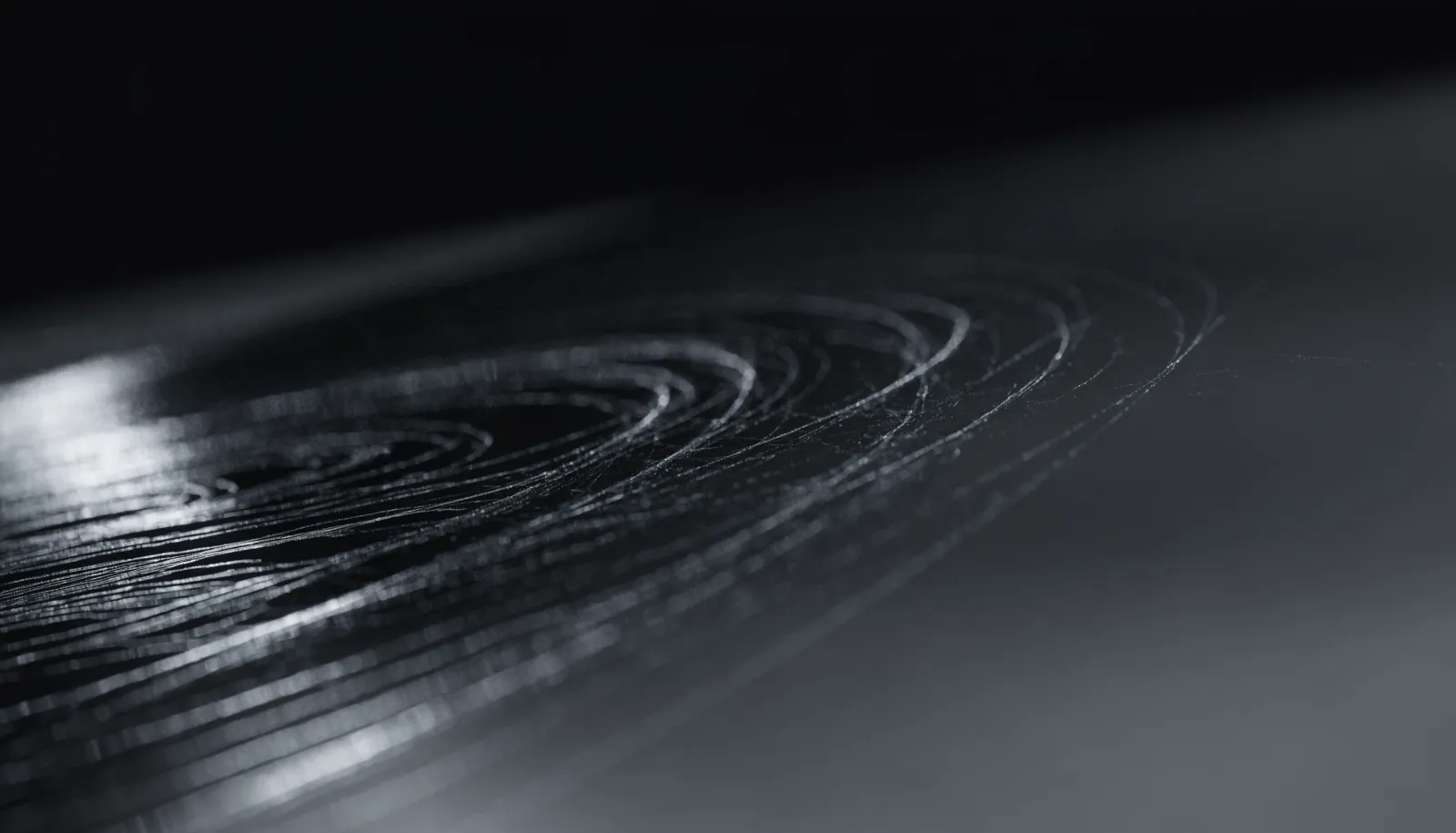
After a scuff or contact event, the affected area often looks worse in raking light or direct sunlight than it does in shade. That is because marring — the shallow abrasion left in the clear coat — is most visible at certain angles where light catches the texture change. Under a proper inspection lamp or paint correction lighting, the technician can map out the full extent of the damage, including areas that weren’t immediately obvious.
This inspection step is not optional. A panel that looks like a simple scuff in a parking structure might reveal a larger area of damage when examined properly, or it might confirm that the damage is highly localized and correctable in a short work session. Without that information, there is no way to set accurate expectations or quote a precise scope of work.
Most light scuffs from parking contacts are correctable with a combination of medium compound and a targeted machine polishing session. The clear coat in the affected zone is leveled to the depth of the deepest abrasion, and then refined with a finishing polish so that the corrected area blends with the surrounding surface without any witness lines. When done properly, you cannot locate where the contact occurred.
When the damage goes beyond the clear coat
Not all parking lot contacts are low-speed glancing blows. Some involve enough force or edge contact to cut through the clear coat and reach the base coat below it. When you see color in the damaged area — your car’s actual paint color being exposed — that is a penetrating scratch, not a clear coat abrasion. Paint correction polishing cannot restore color that is no longer present.
Similarly, if the impact was severe enough to compress or crack the paint film, or if there is bare metal exposed with early surface rust beginning, paint correction is not the right tool. Those situations require touch-up, spot blending, or panel respray depending on the extent. An honest assessment from a professional technician will tell you which category your damage falls into before any money is spent.
For situations that fall in the middle — partial penetration where the clear coat is mostly intact but heavily damaged in one zone — a combination approach is common. The correctable portions of the panel are polished, and any remaining penetrating damage is addressed with cosmetic touch-up to prevent corrosion and minimize visual impact. The goal is to get the panel to the best achievable condition, not to promise a result the physics of the damage cannot support.
Why correction should come before any coating or protection work
If you have discovered paint transfer or scuff damage on a vehicle that you were already planning to protect with a ceramic coating or paint protection film, the sequencing is straightforward: the surface damage must be corrected first. Applying a ceramic coating over marred paint locks the defects in place permanently. Applying paint protection film over a panel with existing scuffs magnifies those defects by giving them a gloss amplifier directly over them.
Paint correction restores the surface to a baseline condition that protective products can then seal and preserve. The investment in correction also means that the protection layered over the top is working with a clean, uniform surface rather than compensating for existing damage. Vehicles that go through correction before coating consistently look better immediately after installation and hold their finish longer.
If your vehicle has incurred damage and you are considering protection at the same time, those two services can be scheduled as a combined appointment. Correction happens first, the panel is allowed to settle, and the coating or film application follows on a surface that is ready to accept it.
Practical advice for North Houston drivers
Parking lot contacts are a fact of life in high-traffic areas across North Houston — shopping centers, medical complexes, sports facilities, and crowded commercial corridors all present regular exposure. Keeping a quality quick detailer in the car and a clean microfiber within reach allows you to safely remove fresh transfer before it bonds more firmly, which makes subsequent professional correction easier and less expensive.
For anything beyond a cosmetic wipe-down, bring the vehicle in for a proper inspection before deciding on a course of action. What looks like a significant scuff is often a minor correction job, and what looks minor sometimes reveals deeper damage that needs a different approach. Making that call based on parking lot lighting is rarely accurate.
If you want a professional assessment of your paint transfer or scuff damage, call EuroLuxe Detailing at (936) 292-6056 or visit us at 11701 Holderrieth Rd in Tomball. Scheduling a paint correction consultation is the fastest way to understand what your paint actually needs and what outcome is realistic.
Paint transfer and scuffs account for a significant portion of the correction work that comes through this shop, and the results are among the most satisfying — because the underlying paint is usually intact and in good condition, waiting to be revealed once the surface damage is addressed properly.