Two-stage vs. three-stage paint correction: which does your car need
Most vehicle owners know their paint looks dull or scratched, but very few know what level of correction it actually requires. When you call a detailing shop and ask about paint correction, you will often hear terms like single-stage, two-stage, or three-stage thrown around without much explanation. The number refers to how many steps of abrasive polishing are performed, and choosing the wrong tier either leaves defects behind or removes more clear coat than necessary. Neither outcome is acceptable on a vehicle you care about.
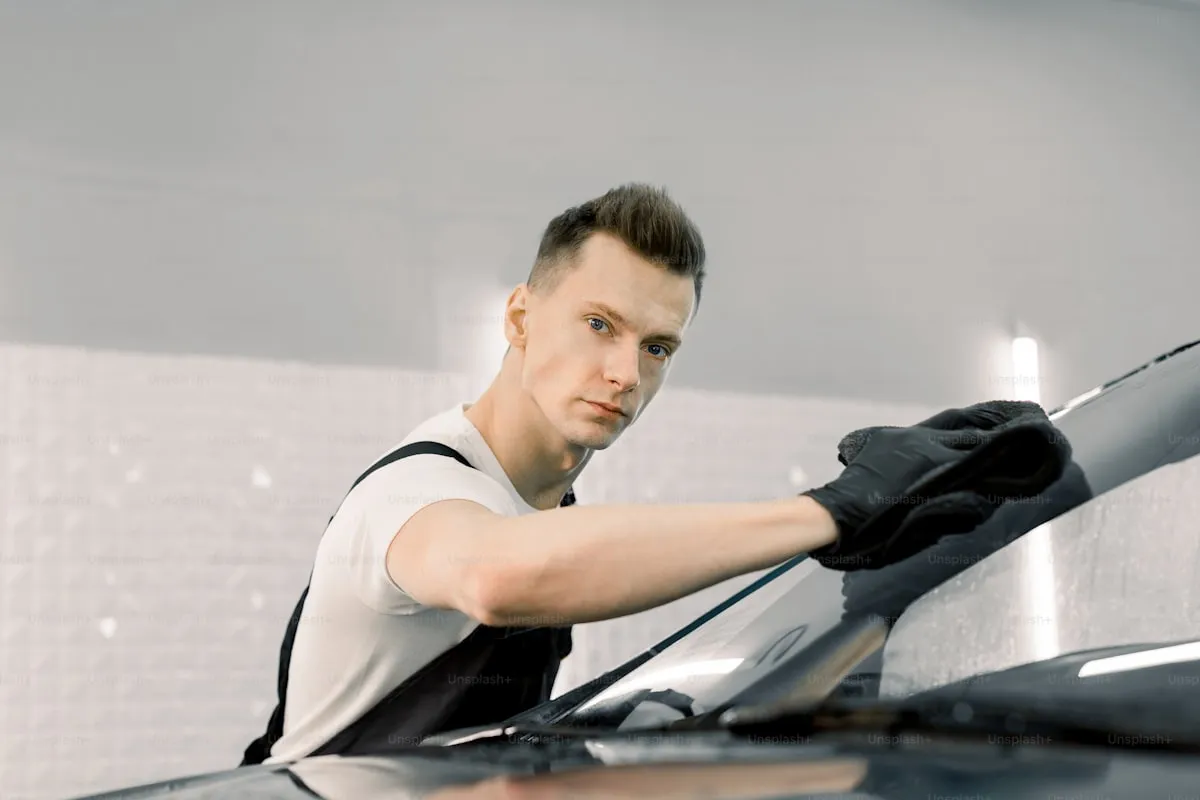
At EuroLuxe Detailing in Tomball, every paint correction job starts with a thorough inspection under high-intensity lighting, followed by paint thickness readings across every panel. That data determines the stage of correction the car actually needs, not what the owner assumes it needs, and not what fits a standard price menu. The goal is to remove defects efficiently while preserving as much of the factory or refinished clear coat as possible for the life of the vehicle.
Understanding the difference between two-stage and three-stage correction will help you ask the right questions before you commit to any service, and it will help you evaluate whether the work you received actually addressed your car’s condition.
What a stage of paint correction actually means
A stage of correction refers to one complete pass over the vehicle’s paint using a machine polisher with a specific combination of pad and compound or polish. Each stage uses a different level of abrasiveness, and they are performed in a specific order from most aggressive to least aggressive.
The first stage in any multi-stage job uses a cutting compound and a firm pad. This is where the actual defect removal happens. Compounding cuts into the clear coat at a microscopic level, leveling the surface and eliminating scratches, swirl marks, water etching, and oxidation that sit within the depth of the clear coat. The trade-off is that compounding leaves its own micro-marring on the surface, which has to be refined in subsequent stages.
The second stage uses a finer polish with a softer pad to remove the marring left by the compound, increase gloss, and bring clarity back to the finish. Many single-stage correction jobs skip the compound entirely and only polish, which is why they fail to remove deep swirls or water etch marks.
A third stage, when required, is a finishing or jeweling step using an ultra-fine product and a very soft pad. This level of refinement is not always necessary, but on dark-colored vehicles, high-gloss finishes, or cars intended for ceramic coating, it produces a measurably better result.
When two-stage correction is the right call
Two-stage correction handles the majority of vehicles that arrive at a professional shop. If a car has visible swirl marks from automatic car washes, light scratches from improper washing technique, minor water spot etching, or a generally hazy and flat appearance, compounding followed by polishing will address those issues thoroughly.
Vehicles with softer clear coats, including many European makes and several Japanese manufacturers, respond well to two-stage work because the compound cuts quickly and the polish brings the finish to a high level of clarity without requiring a third pass. On lighter colors like white, silver, and light gray, two-stage correction typically delivers results that are visually indistinguishable from a three-stage finish under normal viewing conditions.
Two-stage correction is also the appropriate choice when paint thickness readings show that the clear coat has been polished previously and does not have the depth to support a third full machine pass without risk of burning through. Preserving clear coat is always the priority. Aggressive correction on already-thin paint causes more harm than the defects it is meant to remove.
If you are considering a paint correction service and your car has normal daily driver wear accumulated over two to five years, two-stage correction is likely where the conversation should start. An honest shop will tell you if less is sufficient or if more is warranted after they inspect the vehicle.
When three-stage correction is necessary
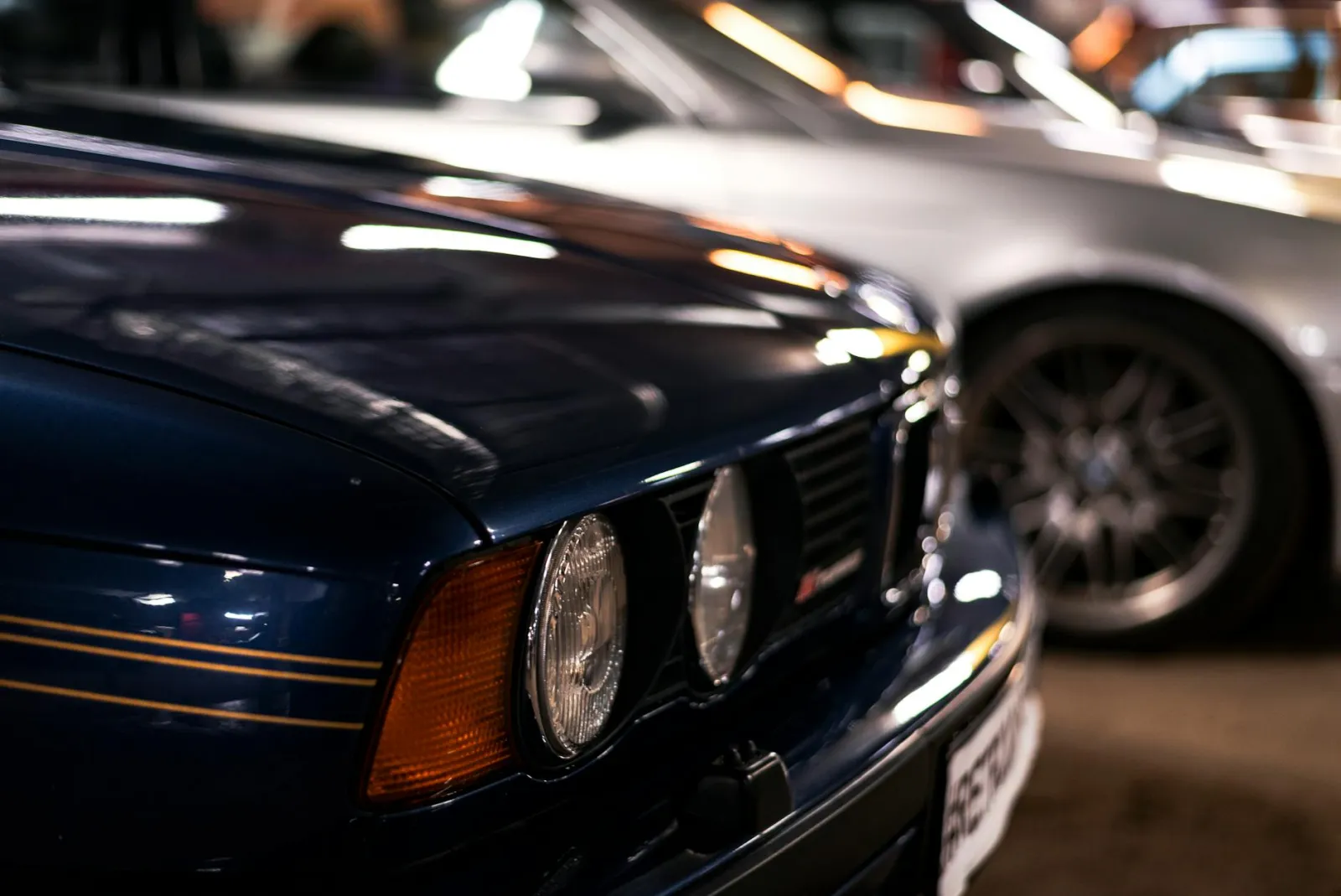
Three-stage correction earns its place on specific vehicles and specific paint conditions. The most common candidates are dark-colored vehicles, especially black, dark blue, and deep red finishes, where every micro-scratch scatters light and prevents the paint from looking truly deep and reflective. On these colors, the jeweling step after compounding and polishing produces a level of gloss and clarity that a two-stage process simply cannot match.
Vehicles with harder clear coats also benefit from three stages. Some domestic vehicles and certain OEM finishes resist compounding at the level needed to fully remove deeper defects, and the additional polish pass helps refine what the compound starts. High-end vehicles and exotics with multi-layer paint systems, including tri-coat and pearl finishes, often require a three-stage approach because each layer behaves differently under a machine polisher.
Cars being prepared for a ceramic coating are another common situation where three-stage correction makes sense. Ceramic coatings lock in whatever surface condition exists underneath them. Any remaining haze, compound residue, or micro-marring from a rushed two-stage job will be amplified by the coating’s gloss enhancement, not hidden by it. A three-stage finish going under a coating is an investment in the quality of the end result, not an upsell.
Severely neglected vehicles with heavy water spot etching, deep swirl patterns, or oxidation sometimes need three stages simply because the defect severity demands multiple levels of abrasion to resolve. These cars require the most careful paint thickness monitoring throughout the process.
How the inspection process shapes the decision
No reputable shop should quote you a stage of correction without seeing the car first. The combination of high-intensity lighting inspection and a paint thickness gauge is non-negotiable for doing this work responsibly.
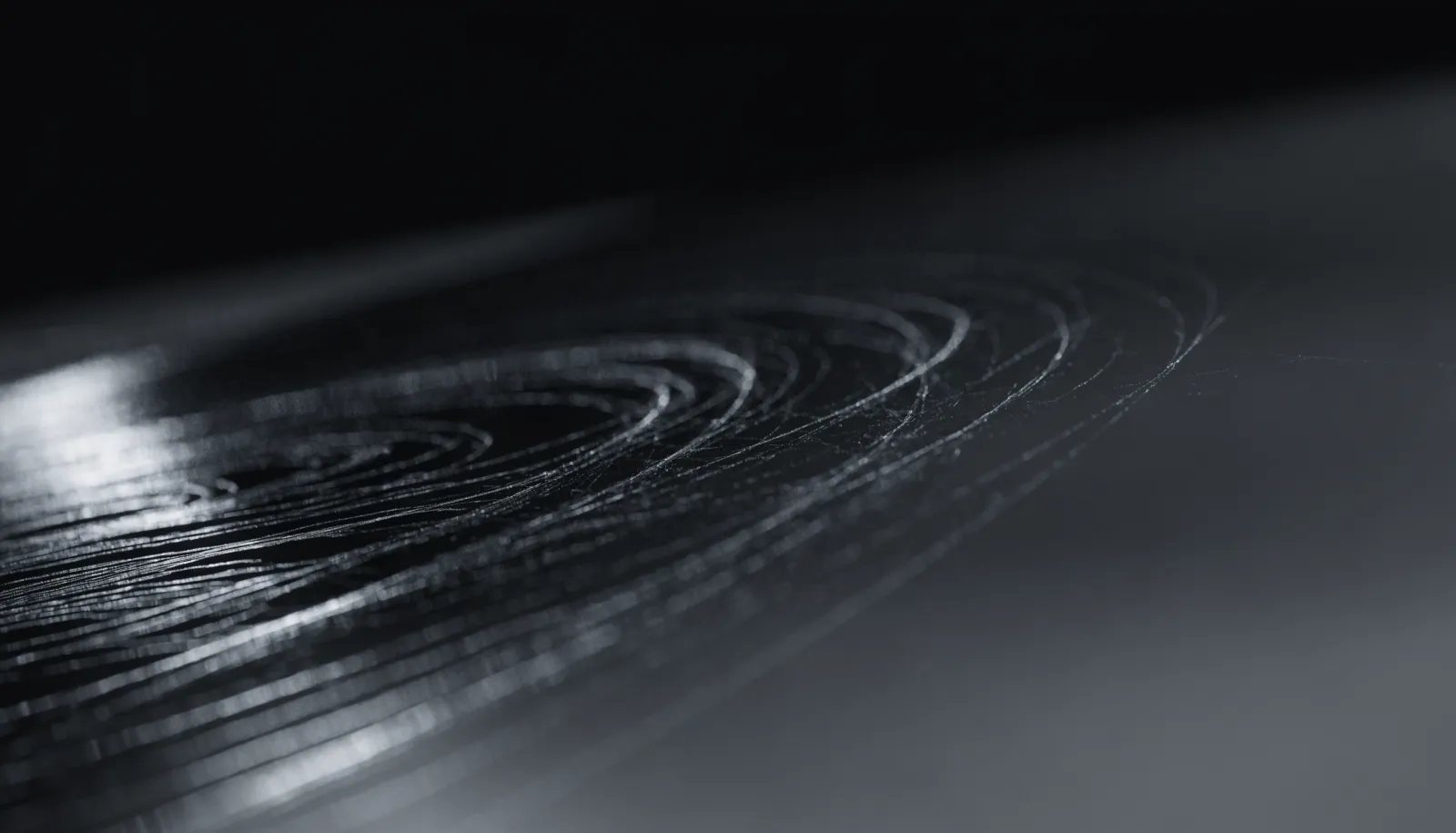
Lighting reveals the true condition of the paint. Defects that are invisible in normal daylight become obvious under a focused LED light source held at the right angle. Swirl marks appear as circular patterns across panels, buffer trails show as long linear haze, and water etch marks look like faint cloudy impressions in the surface. The distribution and depth of these defects tells an experienced corrector which abrasive sequence is needed.
Paint thickness readings tell the other half of the story. A panel reading at or below 80 to 90 microns on a vehicle that has never been repainted is approaching a threshold where aggressive compounding becomes a risk. A panel reading at 150 microns on a previously refinished area has more material to work with. These numbers guide every decision about pad selection, product choice, and how many machine passes each panel receives. Skipping this step is how technicians burn through clear coats and leave owners with a paint failure that requires a full respray to correct.
What to ask before booking
When you talk to any shop about paint correction, including EuroLuxe, ask specifically how they determine the stage of correction before the appointment. If the answer is a fixed package with no inspection component, that is a signal worth noting. Also ask whether paint thickness is measured before and during the job. A shop that measures thickness regularly during a correction service is one that takes the work seriously.
Ask what products and machine types are used. Dual-action polishers are safer for less experienced operators, but a competent technician using a rotary machine in the right hands can produce exceptional results on the right paint type. The tool matters less than the skill and judgment behind it.
Finally, ask whether the correction results are inspected under the same high-intensity lighting used to evaluate the starting condition. If defects are only checked under shop overhead lights, the standard for completion is lower than it should be.
If you have questions about your vehicle’s paint condition or want to talk through what stage of correction makes sense before committing to an appointment, call EuroLuxe at (936) 292-6056 and describe what you are seeing. A conversation before the booking saves time for everyone.
Paint correction is not a commodity service where more stages automatically means better results or higher value. It is a technical process that should be matched precisely to what the paint requires. Getting that match right is what separates a vehicle that looks genuinely restored from one that simply looks better than it did before.