PPF for hoods and fenders: what full front coverage means
The front of your vehicle absorbs damage that no other area of the car sees at the same rate. At highway speeds on I-45, the Grand Parkway, or State Highway 249, the hood, front fenders, bumper fascia, and lower valance face a continuous stream of road debris — gravel kicked up by trucks, sand carried by crosswinds, and insects that etch paint chemistry on contact. Paint protection film applied across the full front of the vehicle is the most direct answer to that specific problem. Understanding exactly what that coverage includes, how the film behaves across large flat panels like the hood, and what you are actually buying when an installer quotes a full front package makes it easier to evaluate whether the investment fits your situation.
This is not a theoretical discussion about paint care in general. If you drive regularly through North Houston — commuting through Tomball, The Woodlands, Spring, or Cypress — your front-end paint is being hit harder than you probably realize. What looks like minor haze on a hood at 18 months is often hundreds of micro-impacts that have broken the clear coat surface in ways that require paint correction to address. PPF prevents that accumulation from happening in the first place.
What a full front package actually covers
The term “full front” is used loosely in the industry, and it does not always mean the same thing from one shop to the next. At EuroLuxe, a full front package covers the hood, both front fenders, the front bumper fascia, the headlights, the mirror caps, and typically the A-pillars. Some configurations also include the lower rocker panels and the leading edge of the roof if the vehicle’s geometry makes that area vulnerable.
The hood is the largest single panel in the package and the one that accumulates the most debris impact. Front fenders matter because they sit directly behind the wheels and receive spray and stone chips from the tires at low angles. The bumper fascia handles direct impacts at the lowest point of the vehicle — the first surface to meet debris coming off the road surface. Headlights are worth noting separately: they are expensive to replace and impossible to correct once haze or pitting sets in, which makes film a logical investment even on its own.
When reviewing a quote, ask specifically which panels are included and whether the film wraps edges. A film that terminates flush at a visible edge rather than wrapping underneath or behind the panel is more likely to lift at the corners over time, particularly in the heat cycles North Houston vehicles go through from spring through fall.
How the film handles a hood
A hood is not a flat surface. Most modern hoods have raised character lines, air vent contours, and hood vents that create compound curves the film has to conform to without wrinkling or developing tension points. This is where installer skill and film quality intersect directly.
UltraFit PPF, which EuroLuxe uses, is a thermoplastic polyurethane film with a high elongation rating. That means it can stretch and conform to curves without thinning to the point where protection is compromised. The film is cut using digital templates matched to the vehicle’s specific make, model, and year, which reduces the number of seams needed and allows edge-to-edge coverage on the hood rather than a strip that only covers the forward section.
During installation, the film is applied wet, positioned using slip solution, then worked with a squeegee to eliminate air and moisture beneath the film. On a hood, the installer typically works from the center outward to avoid trapping bubbles at the perimeter. Heat from a low-temperature heat gun helps the film conform at the edges and lock into relief areas around vents or character lines. Climate-controlled conditions matter here — humidity and ambient temperature affect how quickly the film sets and whether the adhesive bonds cleanly. That is one reason EuroLuxe operates a climate-controlled installation bay rather than working in an open shop.
Self-healing and why it matters on high-impact panels
Modern PPF uses a self-healing top coat that responds to heat — either ambient heat from the sun or targeted heat from a heat gun — to allow minor surface scratches to flow back to a smooth state. On a hood that sees constant contact with insects, light grit, and the occasional careless hand during a wash, this matters practically.
The self-healing layer does not repair cuts or deep gouges. What it handles is the category of marring that accumulates from normal driving: swirl-pattern scratches from automated brushes if the car ever goes through one, light contact scratches, and the texture left behind by insects that have been wiped rather than properly decontaminated. Without film, those marks sit in the clear coat and eventually require machine correction to address. With film, many of them disappear after the car sits in the sun on a warm afternoon.
The healing process has limits. A film that has been damaged by a significant stone impact — which may leave a small white mark in the film itself — has done its job by absorbing that energy before it reached the paint. That mark in the film is a point of conversation at your next inspection appointment, not a failure of the product.
How fenders behave differently than the hood
Fenders present a different installation challenge than the hood. They are narrower panels with more complex curves at the wheel arch and often have gaps and seams near the door edge and the bumper that the film has to transition across cleanly. The lower portion of the front fender — roughly the bottom third — sees the heaviest debris load because it is in the direct spray zone behind the front wheel.
On vehicles with exposed fenders that extend to a visible lower edge, film coverage that wraps beneath that edge provides better long-term adhesion and reduces the chance of the film peeling up from the bottom. On vehicles where the lower fender disappears behind a plastic cladding or body kit element, the transition point needs to be planned so the film terminates in a location that is protected from moisture infiltration.
Fender mirror caps are a separate panel and a separate cut. They matter because mirror caps are painted and exposed to road debris from both directions — the front from normal driving and the rear from the wash cycle of your own tires. Film on mirror caps is inexpensive relative to repainting a mirror cap, which typically requires color matching and can be difficult to execute perfectly on metallic or tri-coat finishes.
What to ask before committing to a full front package
A few practical questions make the difference between a package that fits your vehicle and one that is generic. Ask whether the installer uses plotted templates or cuts film on the car. Plotted templates are more precise and reduce the risk of knives getting near the paint during trimming. Ask whether the film will be edge-wrapped on the hood, fenders, and bumper, or whether it terminates at visible panel edges. Ask what the warranty covers — specifically whether it covers yellowing, cracking, and adhesive failure — and for how long.
Also ask about the relationship between PPF and ceramic coating. Many owners apply a ceramic coating over the top of PPF after installation. The coating bonds to the film’s top coat and adds hydrophobic behavior that makes the film easier to wash without applying pressure, which keeps the self-healing layer in better condition over time. The two products work well together and are commonly paired in full protection builds.
For vehicles where the budget does not extend to a full front, a partial package focusing on the hood leading edge and bumper is a reasonable intermediate step. An honest conversation about paint protection film options relative to how and where you drive will help you prioritize coverage where it counts most for your specific situation.
What the installation timeline looks like
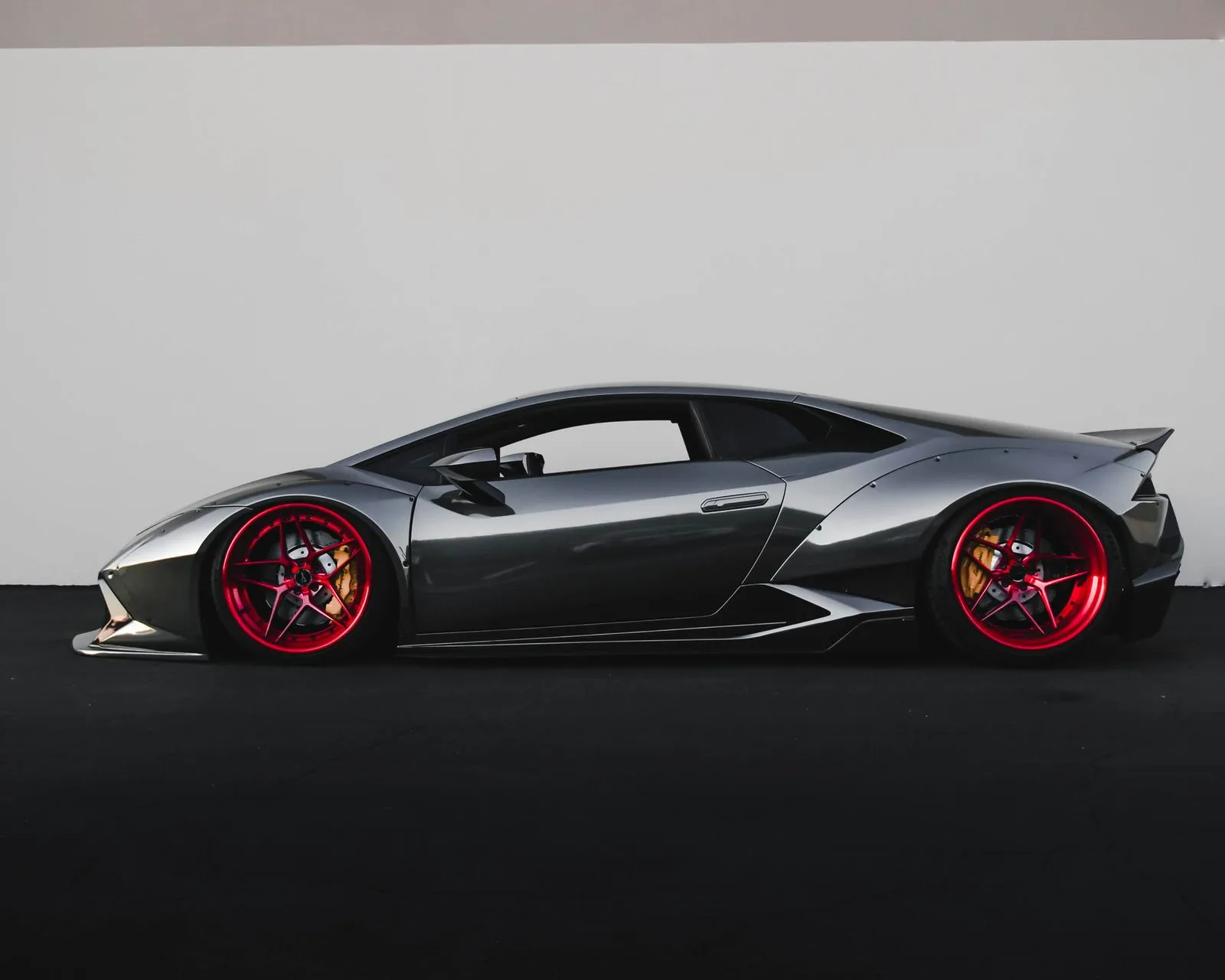
A full front PPF installation typically requires a full day at minimum, and for vehicles with complex front-end geometry — sports cars with aggressive bumper splitters, trucks with large hoods and complex creases — a day and a half is not unusual. Rushing a large film application produces visible results: tension wrinkles at curves, edge lifting within months, and inconsistent clarity across panel transitions.
After installation, the film needs a cure period before the vehicle should go through a wash. Forty-eight to seventy-two hours is a standard minimum under normal conditions. The adhesive continues to strengthen over several days, and exposing the film to high-pressure water or car wash chemicals before that bond is established can compromise the edges. Your installer should walk you through the specific care instructions for the first two weeks, because that window sets the long-term performance of the film.
If you want to discuss a full front package or get specific coverage recommendations for your vehicle, call EuroLuxe at (936) 292-6056 to set up a consultation at 11701 Holderrieth Rd in Tomball.
Full front paint protection film is not a luxury add-on for exotic cars. On any vehicle that spends regular time on North Houston’s highways and feeder roads, it is a straightforward trade: a known upfront cost against the unpredictable and often significant cost of repainting or correcting paint that has taken years of road damage.