Single-Stage vs Two-Stage vs Three-Stage Paint Correction: What's the Difference?
Paint correction is one of those terms that gets thrown around a lot without much explanation. You’ll see shops advertise “one-step polish” for $150 and “full three-stage correction” for $1,500, and it’s hard to know what you’re actually paying for. Here’s a straight answer on what each stage means, what it removes, and when it makes sense.
What Paint Correction Actually Does
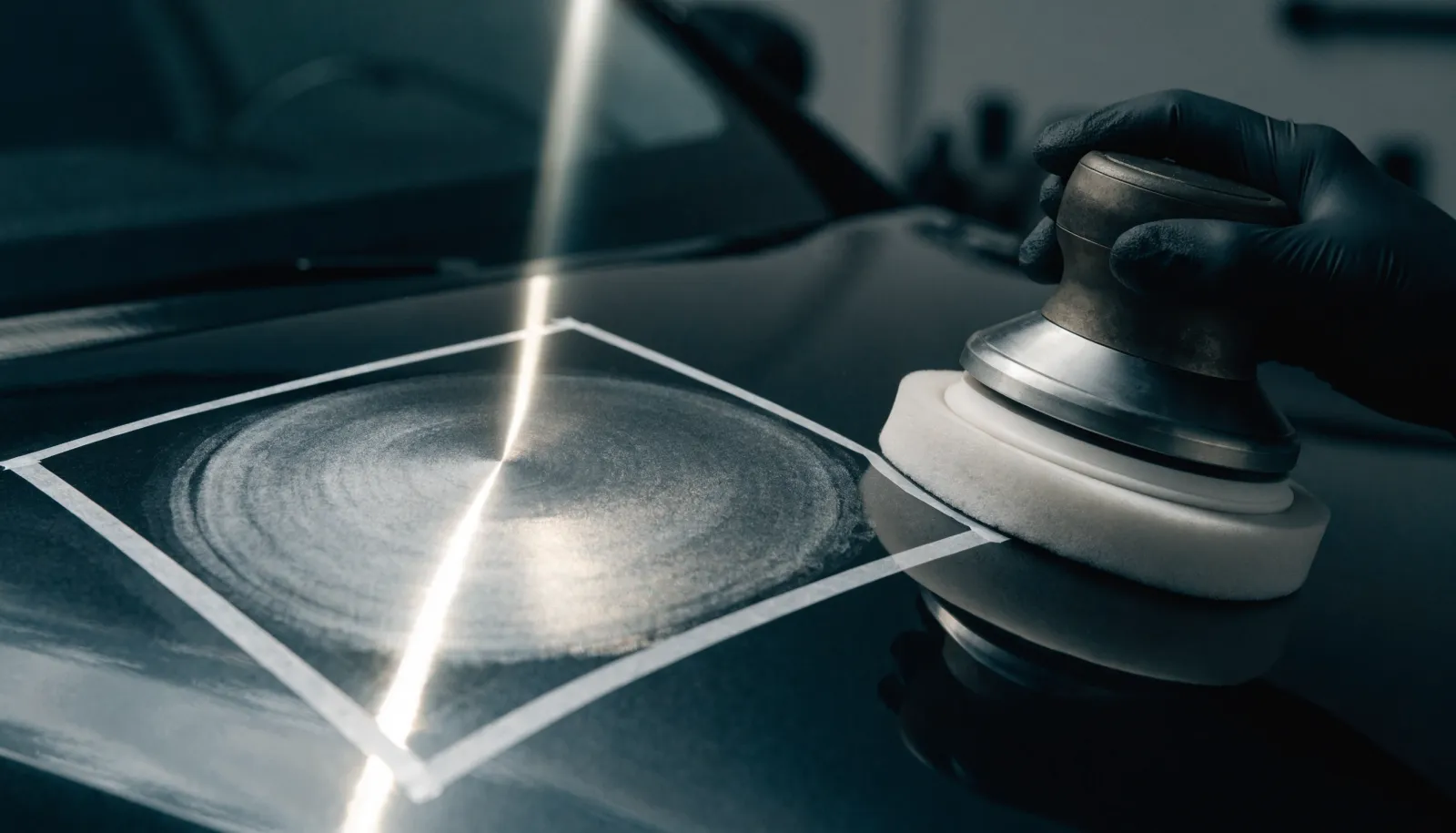
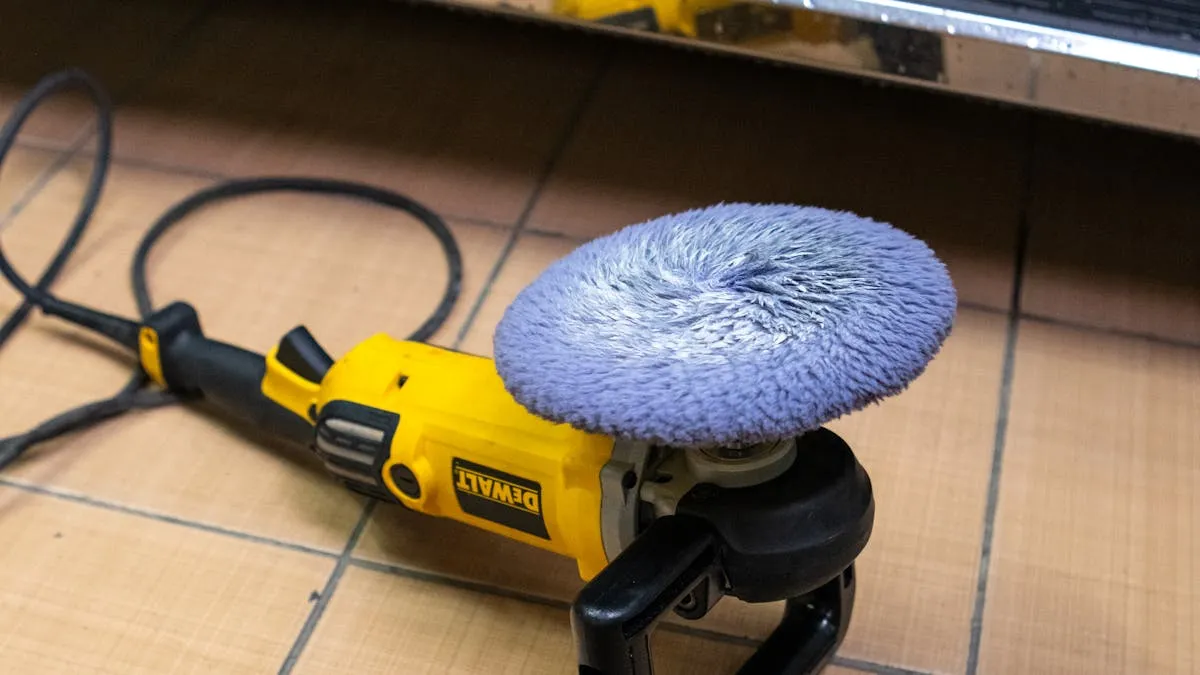
Before getting into stages, understand the mechanics. Modern vehicles have a base coat — the color — protected by a clear coat layer, typically 50–150 microns thick. Scratches, swirl marks, water spots, and oxidation all live in that clear coat. Paint correction uses machine polishers with abrasive compounds and pads to cut into the clear coat surface and level it out, removing the defects by eliminating the material around them.
The tradeoff is clear coat depth. Every correction removes some of it. Professional shops check clear coat thickness with a paint depth gauge before starting — both to set expectations and to avoid burning through to base coat on panels that are already thin.
Single-Stage (One-Step) Correction
A single-stage correction uses one round of machine polishing with a medium-cut compound or an all-in-one polish. It removes light defects: mild swirl marks from automated car washes, light water spots, and minor haze.
What it won’t touch: deep scratches, heavy swirl patterns, severe water spot etching, or oxidation. If you can catch a scratch with your fingernail, one step isn’t removing it.
Time: 4–8 hours depending on vehicle size.
Clear coat removed: ~0.3–0.5 microns.
Best for: Newer vehicles with light paint contamination, leased cars where you want to restore gloss without aggressive correction, or vehicles being prepped for a ceramic coating that don’t have heavy defects.
Single-stage is not a shortcut — on the right car, it’s the correct call. Over-correcting a panel with 80 microns of clear coat is unnecessary and shortens the life of the paint.
Two-Stage Correction
Two-stage correction is the most common full correction performed at a proper detail shop. Stage one uses a heavy-cut compound with a cutting pad to remove the bulk of defects — deep swirls, scratches, and water spot etching. Stage two refines the paint with a lighter polish and finishing pad to remove any haze left by the cutting stage.
This is where you see dramatic before-and-after results. A vehicle with years of swirl damage from poor washing habits will come out looking better than it did from the factory.
Time: 10–16 hours.
Clear coat removed: ~1.0–1.5 microns total across both stages.
Best for: Daily drivers with moderate to heavy swirl damage, vehicles being prepared for paint protection film or ceramic coating, and any car that hasn’t had professional paint work done in several years.
Three-Stage Correction
Three-stage adds an extra heavy-cut step before the two-stage process — typically a wet-sand or ultra-heavy compound pass to address severe defects that a cutting pad alone won’t remove. This is the appropriate approach for oxidized paint, deep scratches that stop short of the base coat, severe water spot etching, and vehicles with paint that’s been neglected for a decade or more.
It’s also used on resprayed panels where orange peel texture is heavy, or on new vehicles from the factory that come with significant texture in the clear coat.
Time: 16–24+ hours.
Clear coat removed: ~2.0–3.0+ microns across all stages.
Best for: Heavily oxidized or neglected paint, vehicles with deep etching, or high-end builds where achieving true glass-like finish is the goal regardless of time or cost.
When Three-Stage Is Overkill
Most daily drivers don’t need three stages. Unless the paint is visibly dull under sunlight, has haze that doesn’t respond to a test polish, or has deep isolated scratches, a solid two-stage correction will deliver 85–95% defect removal and a result that looks exceptional. Throwing a heavy third cut at paint that doesn’t need it shortens clear coat life unnecessarily.
Paint Depth Matters More Than the Number of Stages
A vehicle with 130 microns of clear coat can handle multiple correction cycles over its lifetime. A vehicle that’s been polished heavily at several previous shops might only have 60 microns left — meaning aggressive correction is off the table regardless of what the paint looks like.
This is why any legitimate correction job starts with a paint depth gauge reading across every panel. If a shop skips this step, that’s a red flag.
What Correction Costs and Why
Single-stage on a mid-size sedan: $250–$450.
Two-stage: $600–$1,200.
Three-stage: $1,200–$2,500+.
The variation isn’t arbitrary. A Honda Civic and a Ferrari 488 take different amounts of time, have different paint systems, and carry different risk profiles. Paint correction on a vehicle worth $250,000 requires more preparation, more frequent paint depth checks, and more precision than a commuter car.
At EuroLuxe, every paint correction job starts with a thorough inspection and paint depth reading before we quote. We’re not going to recommend three stages on a car that needs one, and we’re not going to skip correction on a car that needs it. Call us at 936-292-6056 if you want to bring your vehicle in for an assessment.
Keep Your Vehicle Looking Its Best
What Is Paint Correction?
Paint Correction Before Ceramic Coating: Why It Matters
Swirl Marks vs Scratches: How to Tell the Difference