What Voids a Ceramic Coating Warranty? Read the Fine Print
Ceramic Coating Warranties: Marketing vs. Reality
A “lifetime warranty” or “10-year warranty” on a ceramic coating sounds bulletproof. It’s one of the biggest selling points installers use, and it’s one of the main reasons people justify spending $1,000 or more on a professional coating.
But here’s the thing most people don’t find out until it’s too late: ceramic coating warranties are loaded with conditions. Violate any one of them, often without even knowing, and your coverage is gone.
Let’s break down what these warranties actually say, what kills them, and how to make sure you’re not wasting your money.
What Ceramic Coating Warranties Actually Cover
First, let’s be clear about what you’re getting. Most ceramic coating warranties cover:
- Coating failure: The coating delaminates, peels, or stops performing (loss of hydrophobicity, beading, etc.) under normal conditions
- Defects in application: The coating was applied incorrectly by the installer, resulting in high spots, streaking, or uneven coverage
That’s it. A ceramic coating warranty is not a paint warranty. It doesn’t cover:
- Rock chips
- Scratches from physical contact
- Paint fading from extreme UV exposure over many years
- Damage from accidents
- Chemical etching from contaminants left on the surface too long
If someone told you a ceramic coating warranty covers scratches or rock chips, they were either confused or misleading you. Coatings reduce the likelihood of light scratches, but they don’t make your paint invincible.
The Five Most Common Warranty Killers
1. Automatic Car Washes
This is the number one way people void their ceramic coating warranty, and most don’t even know they’re doing it.
Automatic car washes, especially the ones with spinning brushes, are brutal on coated surfaces. Those brushes hold grit and debris from every car that went through before yours. They drag that contamination across your paint at speed, grinding through the coating layer.
Even touchless automatic washes can be problematic. They compensate for the lack of physical contact by using highly acidic or highly alkaline chemicals that can degrade the coating’s hydrophobic top layer over time.
Nearly every ceramic coating manufacturer explicitly excludes automatic car washes from warranty coverage. Use one, and your warranty is void. Period.
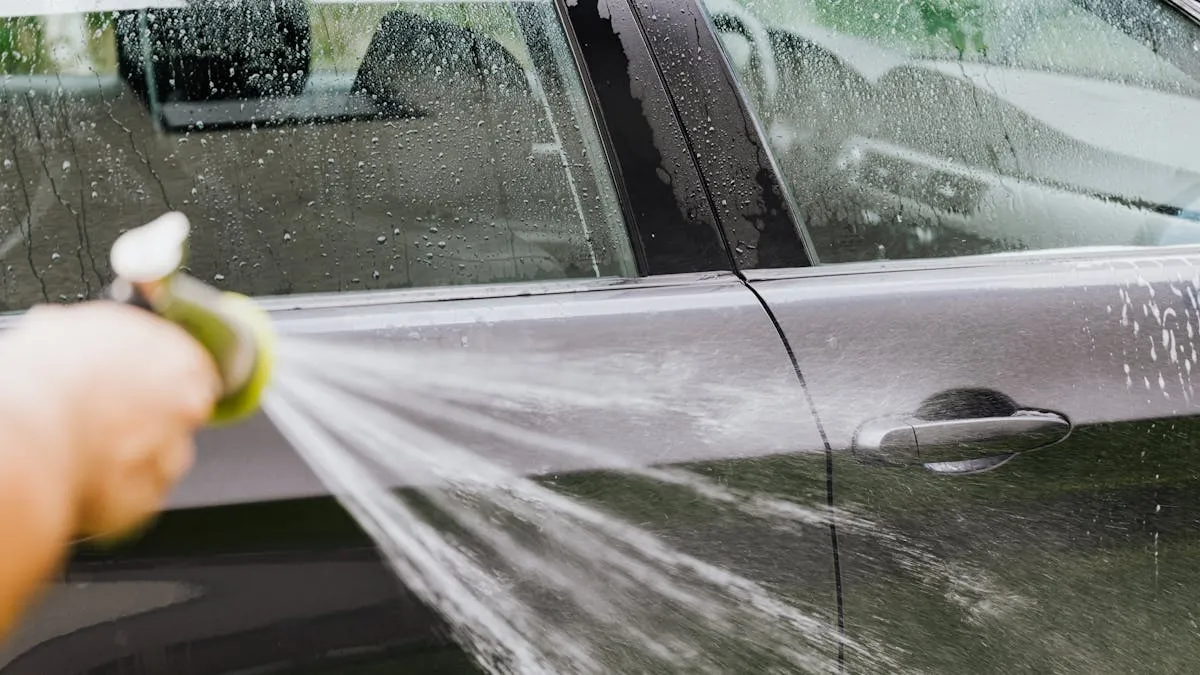
What to do instead: Hand wash with a pH-neutral car shampoo and the two-bucket method. If you don’t want to wash it yourself, find a detail shop that offers maintenance washes for coated vehicles.
2. Neglecting Scheduled Maintenance
Most professional-grade ceramic coatings require periodic maintenance to keep the warranty active. This typically means:
- Annual inspections by the installing dealer or an authorized detailer
- Maintenance washes at regular intervals (varies by manufacturer)
- Booster applications every 12-24 months to refresh the coating’s top layer
Skip any of these, and the manufacturer can deny your claim. They’ll ask for service records, and if you don’t have them, you’re out of luck.
This is the condition that catches the most people off guard. They get their car coated, drive off, and don’t think about it again for three years. By then, the warranty is already void.
What to do: When you get your car coated, ask your installer for a written maintenance schedule. Put reminders on your calendar. Keep receipts and records of every maintenance visit.
3. Using Incompatible Products
Your ceramic coating is a specific chemical formulation. Putting the wrong products on top of it can degrade its performance and void your warranty.
Common offenders:
- Traditional waxes and sealants: Most contain fillers and oils that can interfere with the coating’s surface properties. Some manufacturers explicitly prohibit any wax application over their coating.
- Aggressive all-purpose cleaners: High-pH degreasers and all-purpose cleaners can strip the coating’s hydrophobic layer.
- Abrasive polishes: Any compound or polish removes material. Use one on a coated car, and you’re removing the coating itself.
- Silicone-based dressings: Some tire and trim dressings can migrate onto coated panels and interfere with the coating.
What to do: Use only products approved by the coating manufacturer or recommended by your installer. Most coating brands sell their own line of maintenance products specifically formulated to be compatible. When in doubt, ask before you spray.
4. Improper Washing Technique
Even if you’re hand washing, doing it wrong can void your warranty. The most common mistakes:
- Washing in direct sunlight: Water and soap dry on the surface before you can rinse them off, leaving mineral deposits that can etch through the coating.
- Using dish soap: It’s a degreaser. It strips the coating’s hydrophobic properties.
- Single-bucket washing: You’re putting dirty water back on the car. Grit in that water scratches the coating.
- Dirty wash mitts: A wash mitt that’s been dropped on the ground or hasn’t been properly cleaned is a scratch pad.
- Pressure washing too close: Holding a pressure washer nozzle inches from the paint can damage the coating, especially at edges and panel gaps.
What to do: Follow the two-bucket method. Use a grit guard. Wash in the shade or during cooler hours. Use a quality microfiber wash mitt and replace it if it hits the ground. Keep the pressure washer nozzle at least 12 inches from the surface.
5. Environmental Damage Left Unaddressed
A ceramic coating gives you a buffer against environmental contaminants, but it doesn’t give you unlimited time. The warranty typically requires you to remove contaminants promptly.
Things that will damage even a coated surface if left too long:
- Bird droppings: Highly acidic. Can etch through a coating in 24-48 hours in hot weather.
- Tree sap: Bonds to the coating surface and becomes increasingly difficult to remove. Can cause permanent marks.
- Industrial fallout: Metal particles from rail lines, construction sites, or brake dust embed in the coating surface.
- Hard water spots: Mineral deposits from sprinklers or rain can etch the coating if left to bake in the sun.
Manufacturers expect you to remove these contaminants within a reasonable timeframe, usually 24-48 hours. If you let bird droppings sit on your car for two weeks in July and the coating etches, that’s on you.
What to do: Inspect your car regularly. Carry a quick detail spray and microfiber towel in the car for spot cleaning. Remove bird droppings and sap as soon as you notice them.
How to Read a Ceramic Coating Warranty
Before you sign anything, read the full warranty document. Here’s what to look for:
Coverage Duration vs. Coating Lifespan
A “10-year warranty” doesn’t necessarily mean the coating lasts 10 years. The warranty covers the coating’s performance for that period if all conditions are met. The actual coating might start degrading in year 3-4 without proper maintenance.
Proration
Some warranties are prorated. If the coating fails in year 7 of a 10-year warranty, you might only get 30% of the original cost covered. Read the proration schedule carefully.
Transferability
Planning to sell the car? Some warranties transfer to the new owner, some don’t. If resale value matters to you, this is worth checking.
Claim Process
What does filing a claim actually look like? Most require:
- Contacting the manufacturer or authorized installer
- Bringing the car in for inspection
- Providing maintenance records
- Waiting for claim approval
The manufacturer has the final say on whether the warranty applies. If they determine the issue was caused by neglect, improper products, or environmental damage, the claim gets denied.
Geographic Limitations
Some warranties are only valid if serviced by authorized installers in certain regions. If you move or travel frequently, make sure you can find authorized service wherever you go.
How to Actually Protect Your Investment
Forget the warranty for a second. The best way to protect your ceramic coating investment is to take care of it properly:
- Wash correctly and consistently. Every two weeks minimum, using proper technique and products.
- Apply maintenance boosters on schedule. They refresh the coating’s hydrophobic properties and extend its life.
- Address contaminants quickly. Don’t let bird droppings, sap, or water spots sit.
- Keep records. Document every wash, every maintenance service, every product you use. If you ever need to file a claim, this is your proof.
- Build a relationship with your installer. A good detailer will remind you when maintenance is due and catch potential issues before they become warranty problems.
The Bottom Line
Ceramic coating warranties are real, but they’re not the safety net most people think they are. They come with conditions, and those conditions are strictly enforced. The manufacturers aren’t in the business of replacing coatings for free.
The good news: if you take care of your coating properly, you probably won’t need the warranty in the first place. A well-maintained ceramic coating will perform for years and protect your paint exactly as advertised.
Want to know exactly what’s covered before you commit? We walk every client through the warranty terms and set up a maintenance plan from day one. Get a quote or learn more about our ceramic coating packages.